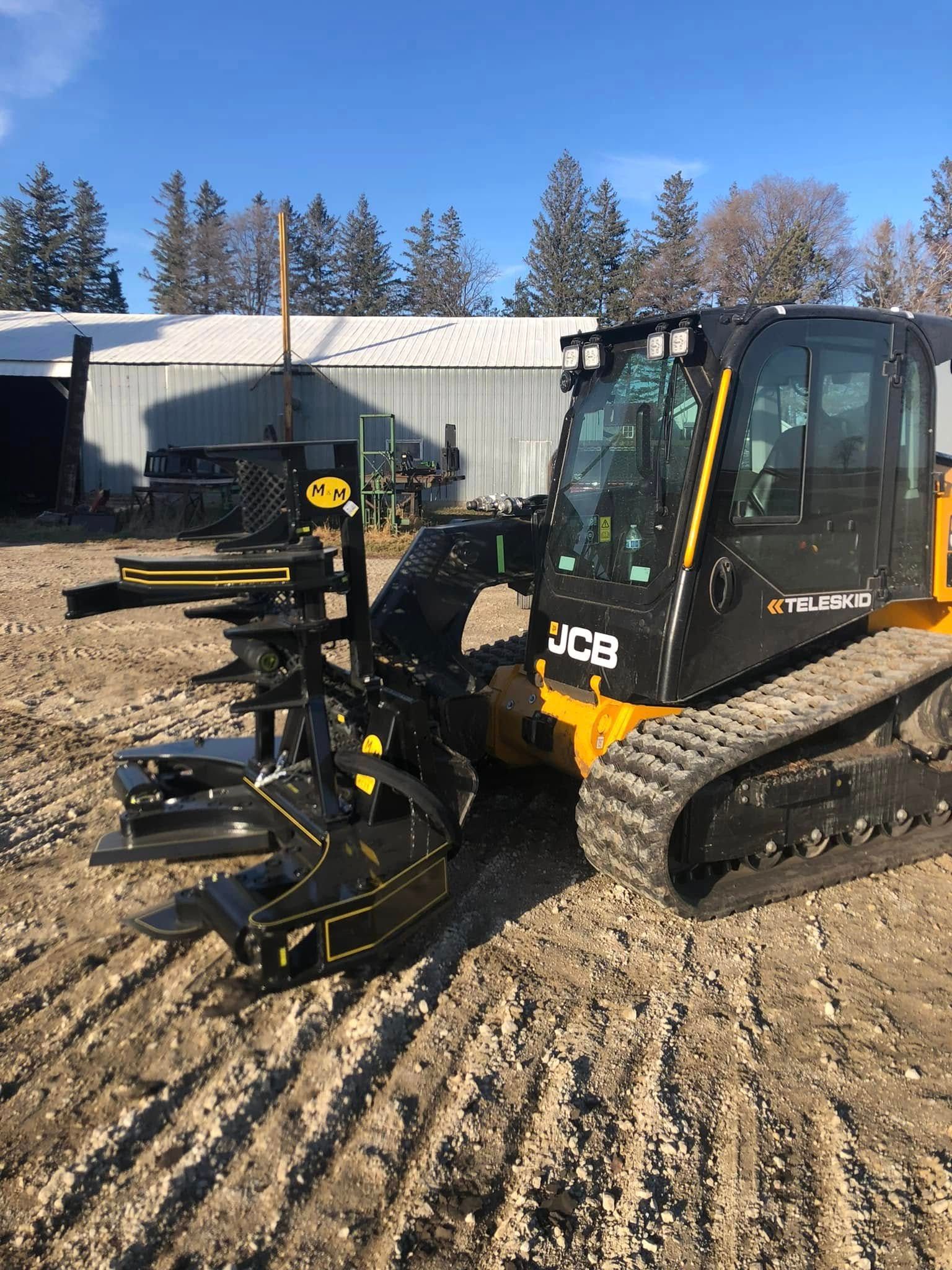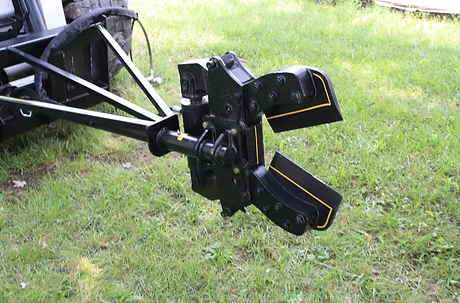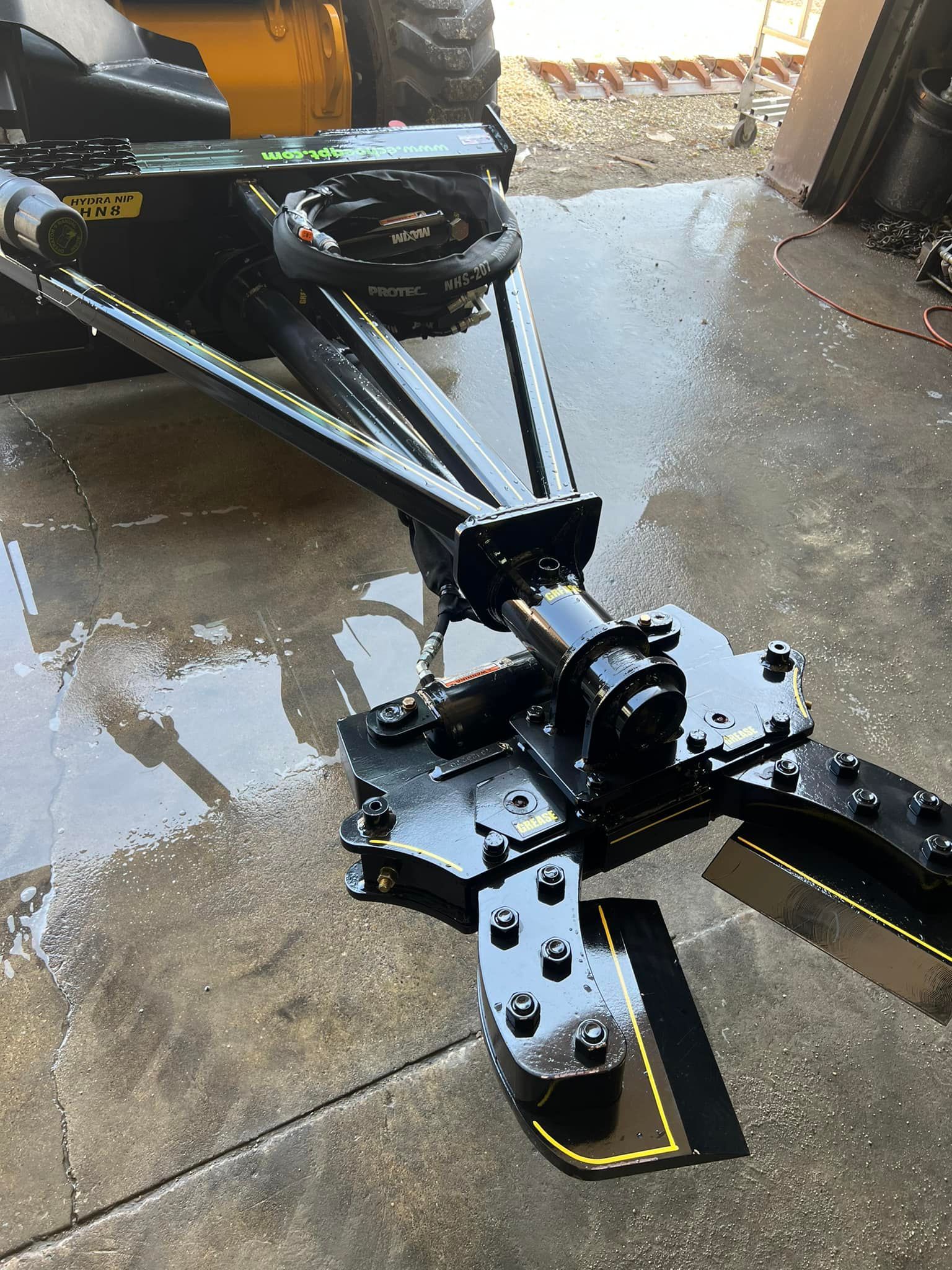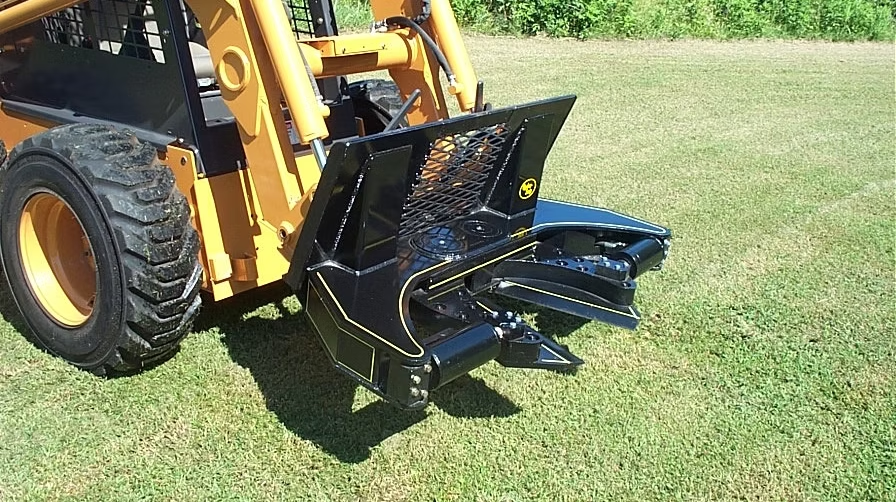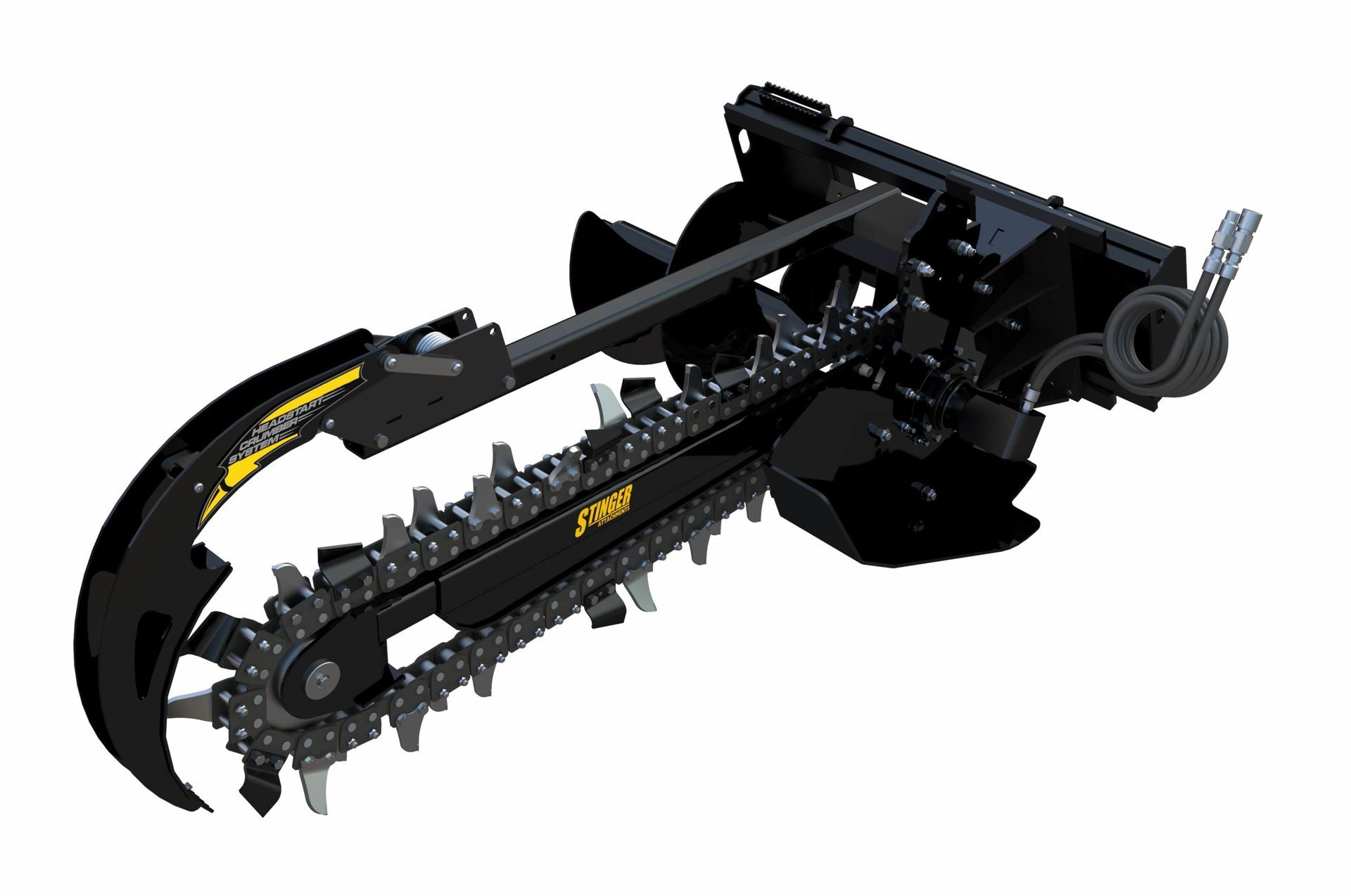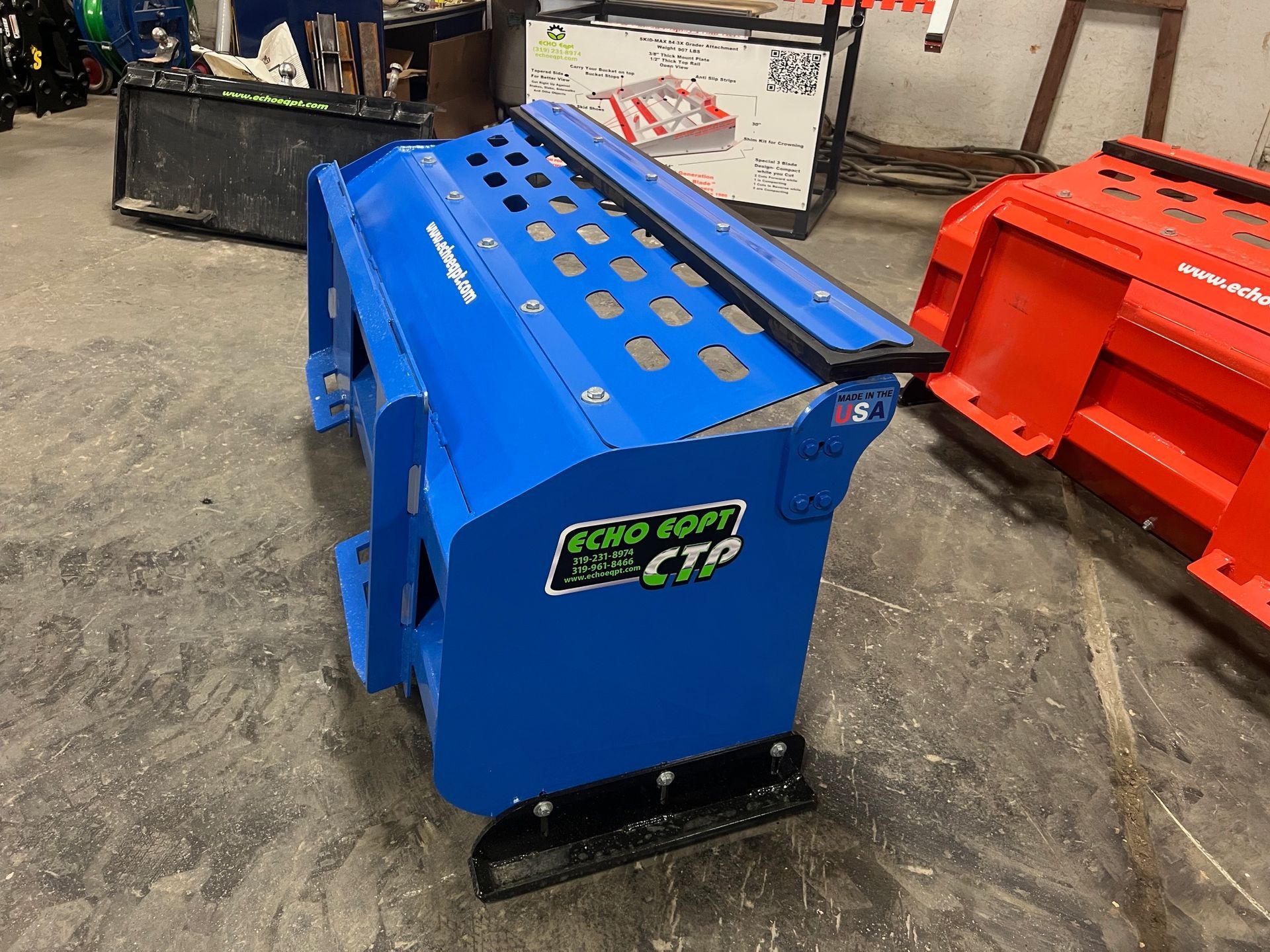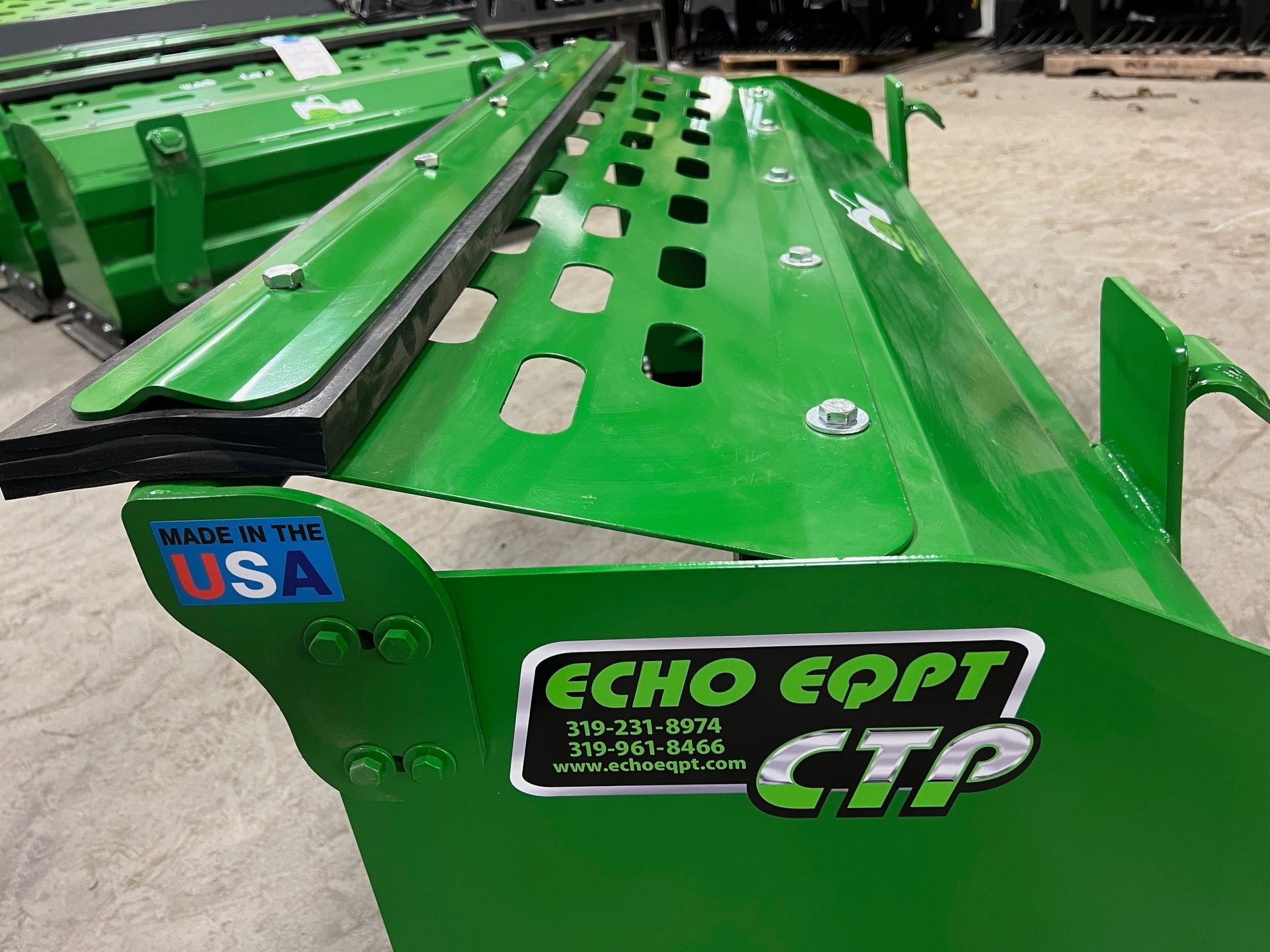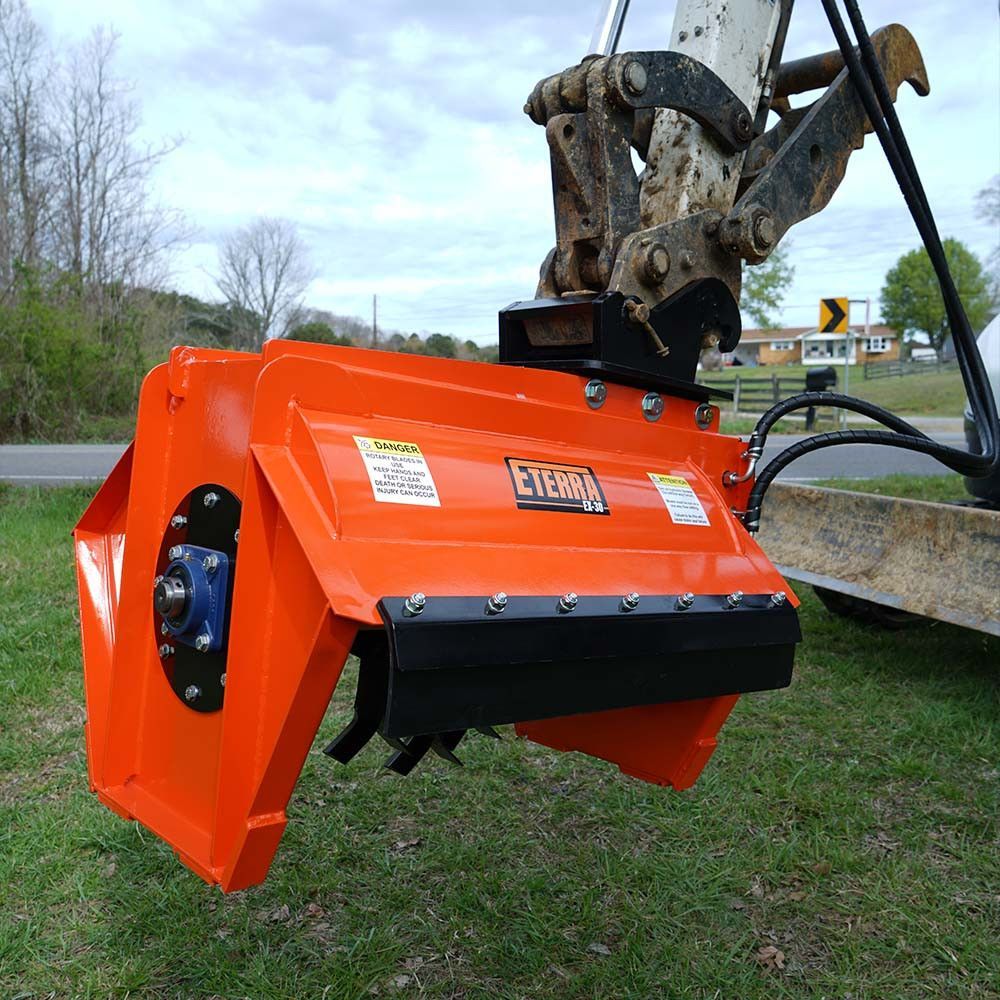

Give ECHO Eqpt a call or fill out the form below. We will get back to you quickly and set you up with your new attachment we're sure you'll love!
Contact Us
Product Overview
Description
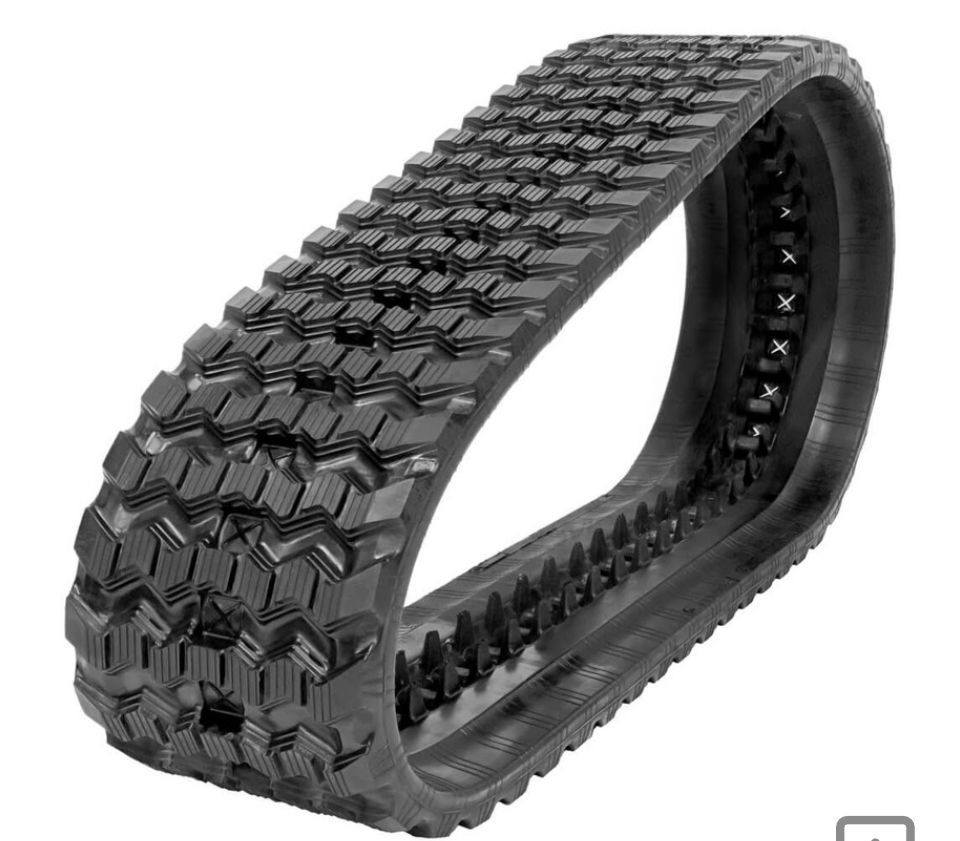
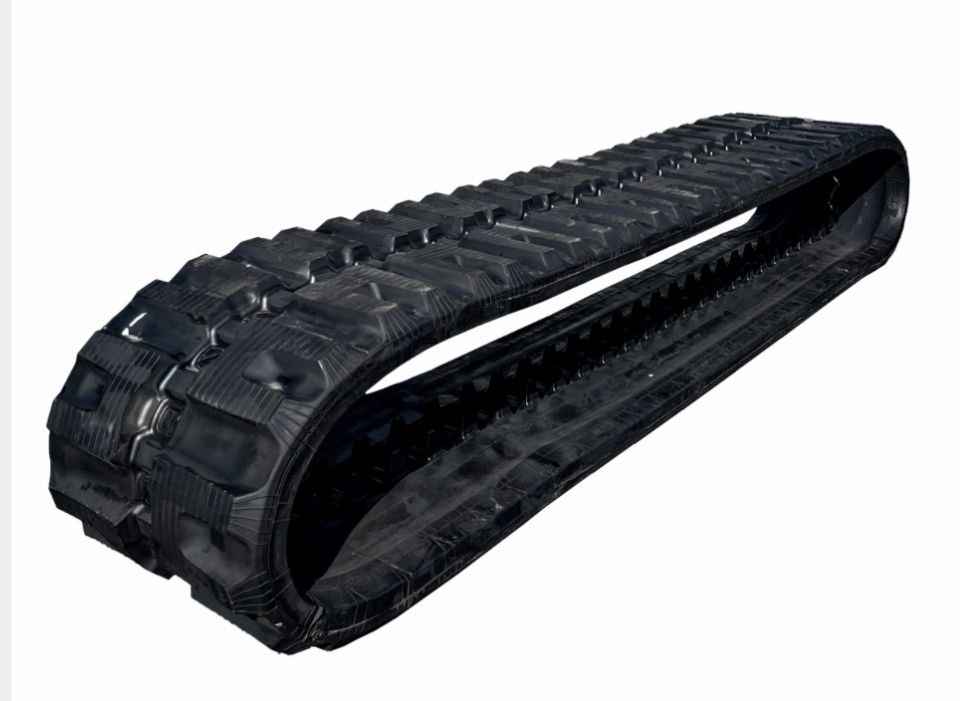
Heavy duty rubber tracks are one of those purchases you don’t want to cheap out on. When your machine is down, you’re not making money. These tracks are built to handle real work - demolition, land clearing, construction, and everything in between - without tearing up after a few jobs.
Built with virgin rubber compounds, dual continuous steel cords, and forged steel inserts, these tracks are designed to last longer, run smoother, and hold up under abuse that cheaper tracks simply won’t handle.
2 year hassle free warranty - no hour limit!
Features
- Dual continuous steel cords provide stronger internal structure with no weak overlap points
- Virgin rubber compound construction increases wear resistance and flexibility
- Drop forged steel inserts improve strength and load handling under heavy use
- Reinforced bonding process keeps rubber and steel components from separating
- Available in multiple tread patterns to match terrain and application
- Heavy-duty lug designs improve durability in aggressive jobsite conditions
- OEM-quality fitment ensures proper tension, alignment, and performance
Benefits
Improves Durability
Heavy-duty rubber compounds resist cuts, tears, and premature wear in tough conditions
Saves Time
Fewer breakdowns and replacements keep your machine working instead of sitting
Reduces Long-Term Cost
Longer lifespan means fewer replacements compared to lower-quality tracks
Handles Harsh Jobs
Built for demolition, forestry, mud, and rough terrain without failing early
Ideal For
- Construction and site prep
- Land clearing and forestry work
- Demolition jobs
- Mud, gravel, and rough terrain
- Contractors running machines daily
- Operators tired of cheap tracks wearing out
Specifications
- Track Type: Heavy-duty rubber track (OEM replacement style)
- Construction: Virgin rubber compound with reinforced bonding
- Internal Structure: Dual continuous steel cords (no overlap weak points)
- Steel Inserts: Drop-forged steel links for added strength under load
Compatible Machines
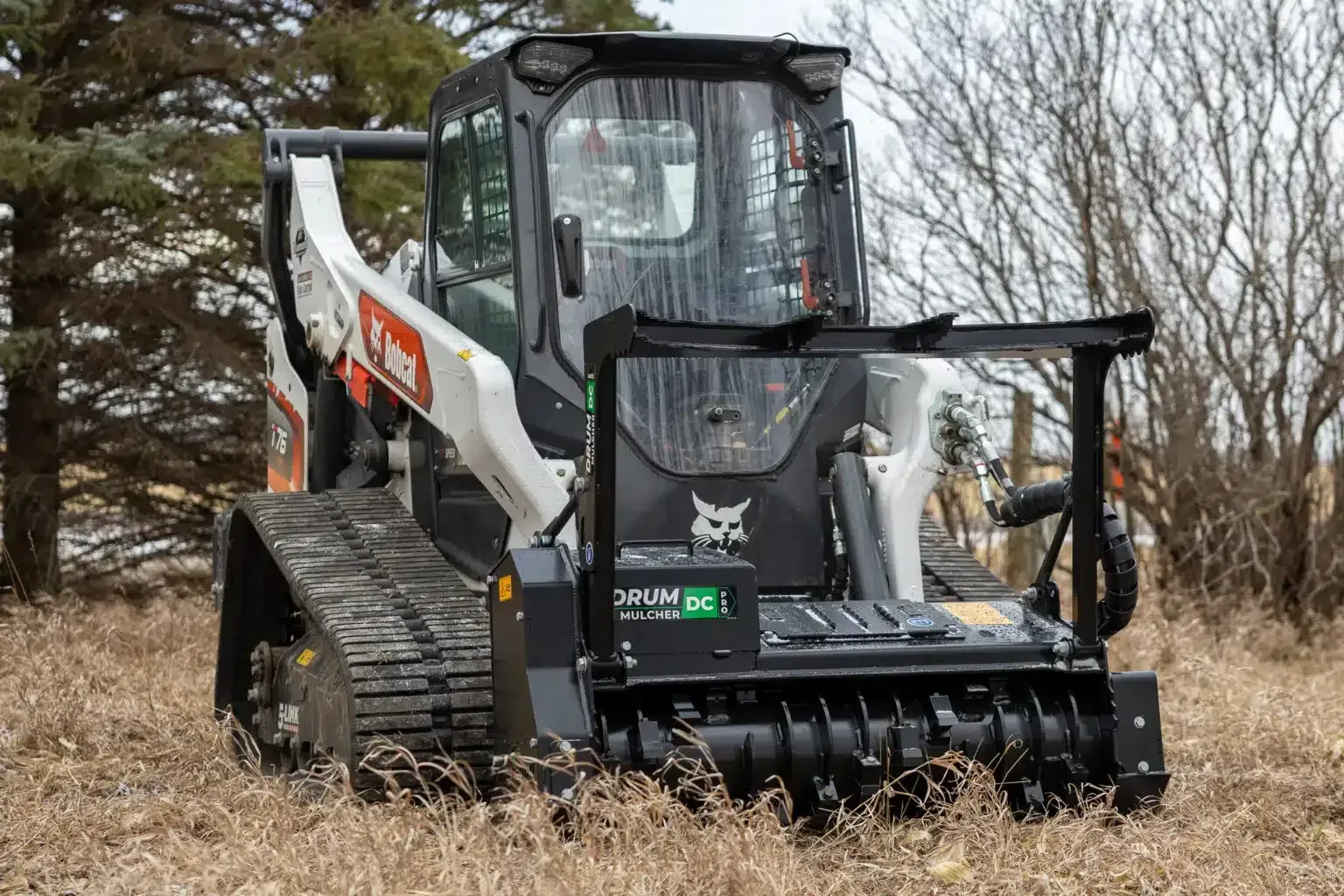
Designed for compact track loaders with track undercarriages
Recommended Machine Specs:
- Machine Type: Compact track loader
- Weight Class: 5,000–12,000+ lbs
- Application: Construction, land clearing, general contracting
Common Compatible Machines
Bobcat
- T450, T590, T650, T66, T76, T86
Caterpillar
- 249D3, 259D3, 279D3, 289D3, 299D3
John Deere
- 317G, 325G, 331G, 333G
Kubota
- SVL65-2, SVL75-2, SVL97-2
Case / New Holland
- TV370, TV450
- C327, C332
ASV
- RT-40, RT-65, RT-75, RT-120
Takeuchi
- TL8, TL10, TL12
FAQs
What actually makes a rubber track “heavy duty”?
It comes down to thicker rubber, stronger internal steel cords, and better bonding between components. That’s what prevents early failures like tearing or delamination.
Do heavier tracks really last longer?
Yes. More rubber and stronger internal structure mean better resistance to cuts, chunking, and stretching, especially in construction or demolition environments.
What’s the difference between tread patterns?
Block patterns are the most durable for hard surfaces, C-lug patterns are more versatile, and multi-bar patterns give a smoother ride with less vibration.
How do I know what size track I need?
Tracks are sized by three numbers: width, pitch, and link count (example: 450x86x52). All three must match your machine exactly.
Can I go wider than my current tracks?
Only if your machine is designed for it. Wider tracks improve flotation but must match your undercarriage specs.
Why do cheaper tracks fail so fast?
They usually use recycled rubber, weaker steel cords, and poor bonding, which leads to cracking, stretching, or breaking under load.
How long should a good set of tracks last?
It depends on use, but heavy-duty tracks typically last significantly longer than economy options, especially in harsh conditions.
What’s the biggest mistake people make when buying tracks?
Buying based on price instead of construction. Cheap tracks cost more in downtime and replacements.
Are these better than OEM tracks?
Many heavy-duty aftermarket tracks are built to meet or exceed OEM specs, often with reinforced materials for longer life.
Manuals/ Warranty
2 year hassle free warranty - no hour limit!
Videos
Why buy from ECHO Equipment
At ECHO Equipment, we actually use and support the equipment we sell. You’re not getting generic answers - you’re talking to people who understand how this equipment works in the field. That means faster answers, better recommendations, and no wasted time trying to figure things out on your own.
We’re easy to work with. If something breaks, tell us what actually happened and be honest with us (a good sense of humor doesn’t hurt either). We’re often known to help out even outside of standard warranty terms. And if it’s on us, we’ll own it and make it right. No excuses, no finger pointing - just real support when it matters.